From Classmates to Colleagues: Turning Your Study Abroad Experience Into a Lifelong Professional Network
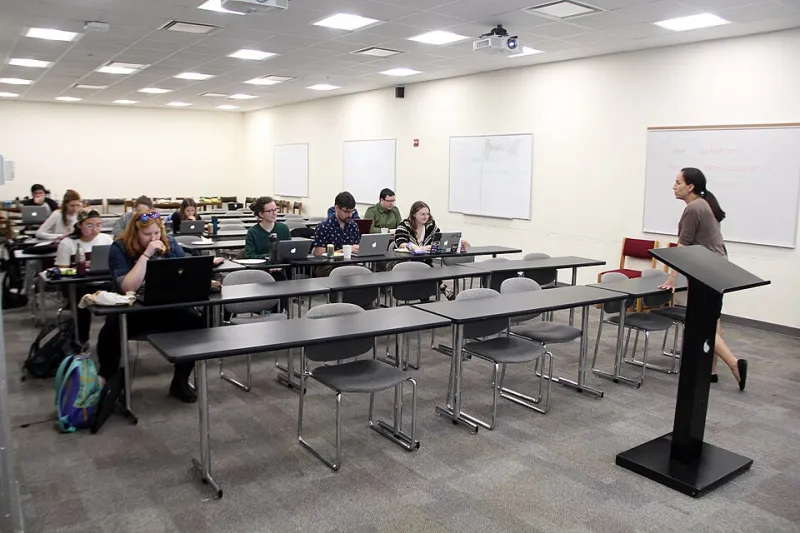
Photo: Avery Jensen, CC BY-SA 4.0, via Wikimedia Commons
When US students evaluate the merits of studying abroad, the conversation tends to center on academic enrichment, personal growth, and the undeniable appeal of living in a foreign city. What receives far less attention—and arguably deserves far more—is the professional dimension of an international placement. The individuals you encounter during your time overseas are not simply classmates and acquaintances. They are, with the right approach, the foundation of a global professional network that can differentiate your career for decades.
Building that network effectively, however, requires intention. It does not happen automatically by virtue of being in the room. This guide is designed to help US students at every stage of the social spectrum—from natural extroverts to self-described introverts—approach international relationship-building with strategy and purpose.
Why International Connections Carry Disproportionate Career Value
Before addressing tactics, it is worth understanding precisely why internationally cultivated professional relationships are so valuable in the contemporary job market.
First, they are genuinely rare. While study abroad participation among US students has grown substantially over the past two decades, the proportion of American professionals who have meaningfully cultivated international networks remains relatively small. A contact in Singapore, a co-author in Germany, or a mentor in Brazil represents access to markets, industries, and opportunities that most of your domestic peers simply do not have.
Second, international relationships signal something important to employers: cross-cultural competence. The ability to build trust and communicate effectively across cultural boundaries is among the most consistently cited competencies in global hiring surveys, and nothing demonstrates it more credibly than an actual track record of international relationship-building.
Third, the density of connection in a study abroad environment is unusually high. You are spending concentrated time with a defined group of people—often across multiple shared contexts like classes, housing, travel, and social activities—which research on relationship formation suggests is an ideal condition for the development of genuine professional bonds.
Cultivating Faculty Relationships With Intention
For many US students, the relationship with faculty abroad begins and ends at the classroom door. This represents a significant missed opportunity. Professors at international institutions are often researchers with active global networks, practitioners with industry connections in their home country, and occasionally members of professional bodies or advisory boards that could be directly relevant to your field.
The approach to building these relationships is straightforward but requires consistency. Attend office hours, even when attendance is not required. Ask substantive questions that reflect genuine engagement with the material, not merely grade-related concerns. If a professor's research aligns with your academic interests, say so specifically—and ask whether there are papers, conferences, or projects in that area you should explore.
Before departing your host institution, request a LinkedIn connection and, if appropriate, ask whether the professor would be willing to serve as a professional reference or academic contact going forward. Most faculty members respond positively to students who have demonstrated authentic intellectual engagement, and a warm reference from an internationally recognized scholar carries considerable weight on a US graduate school application or job search.
Approaching Peer Relationships as Long-Term Investments
The students sitting alongside you in a seminar room in Amsterdam, Tokyo, or Cape Town are not simply temporary travel companions. They are future doctors, engineers, policy makers, entrepreneurs, and executives—and they will spend their careers embedded in professional ecosystems that you may one day need to access.
Approach these relationships with genuine curiosity rather than transactional calculation. Ask about their academic trajectories, their career ambitions, and their perspectives on their own industries and job markets. Share your own background and goals with equal openness. The most durable professional relationships are built on reciprocal interest and mutual respect, not on the strategic accumulation of contacts.
That said, it is entirely appropriate to be deliberate about maintaining these connections over time. Connect on LinkedIn before you leave. Follow up occasionally—share an article relevant to a conversation you had, congratulate them on a professional milestone, or simply check in when you are traveling to their region. The students who extract the most long-term career value from their study abroad networks are those who tend those relationships consistently, not only when they need something.
Amanda, a finance graduate from Chicago who studied in Hong Kong, describes the long-term payoff: "Three years after I came home, a classmate from my program there reached out because his firm was looking for someone with my background for a regional role. I got the interview because of a relationship built over shared meals and late-night study sessions. That's not something LinkedIn algorithms can replicate."
Engaging With Alumni Networks Across Borders
Most US universities maintain alumni chapters and networks in major international cities, and your host institution likely has its own alumni community as well. These networks represent a structured, relatively low-barrier entry point into professional communities in your host country.
Reach out to alumni associations before you depart. Many chapters host events specifically for incoming students and recent graduates, and attending these gatherings places you in rooms with professionals who already share a meaningful connection with you—your university affiliation—and who are often genuinely motivated to support the next generation of graduates.
Your host institution's alumni network can be equally valuable. Alumni who studied at the same school you are attending often feel a particular affinity for current students, especially those from abroad. A brief, respectful LinkedIn message referencing your shared institutional connection and expressing genuine interest in their career path is frequently enough to initiate a conversation.
Strategies for Introverts: Building Connections Without Burning Out
Networking advice is frequently written with extroverts in mind, and students who find large social gatherings draining often disengage entirely as a result. This is an unnecessary sacrifice. The most effective networking for introverts tends to happen in smaller, more structured settings—and study abroad environments offer plenty of these.
Small seminar classes, research groups, language exchange partnerships, and shared housing all create the kind of repeated, low-pressure contact that tends to produce genuine connection. Rather than attending every social event, choose two or three contexts that genuinely interest you and invest consistently in those relationships.
One-on-one coffee meetings with professors, alumni, or fellow students are also far more comfortable for most introverts than cocktail receptions, and they are often more productive. A focused 45-minute conversation with a single well-chosen contact can yield more lasting professional value than an evening spent exchanging pleasantries with thirty strangers.
Translating Connections Into Opportunities After You Return
The window immediately following your return home is critical. This is the period when your international experience is freshest, your connections are most recently established, and your motivation to maintain them is highest. Use it deliberately.
Update your LinkedIn profile to reflect your international academic experience, the skills you developed, and any projects or research you contributed to while abroad. Write a brief, specific note to each significant contact you made—not a mass message, but an individualized acknowledgment of what you valued about your time together and an expression of your hope to stay connected.
If your field has international conferences, consider whether any of your overseas contacts will be attending events you can also access. Reuniting in a professional context reinforces the relationship and signals that your engagement was never merely circumstantial.
Finally, make yourself a useful node in the network you are building. When you can connect two of your contacts who might benefit from knowing each other, do so. When you encounter information relevant to someone in your international network, share it. Generosity in professional networking is not naive—it is the most reliable way to ensure that generosity flows back toward you when you need it.
The Long View on International Professional Relationships
The career landscape that today's US students will navigate is genuinely global in ways that previous generations could not have fully anticipated. Supply chains, research collaborations, policy frameworks, and financial markets operate across borders as a matter of routine. The professionals who will be best positioned to lead in that environment are those who built their networks with the same ambition.
Your time studying abroad is not a pause in your professional development. Approached with intention, it is one of the most concentrated and consequential networking opportunities you will ever have. At EduWings Study Abroad, we encourage every student to recognize that potential before they board the plane—and to arrive ready to invest in the relationships that will define their careers for years to come.